
Move with confidence
Purpose:introduce the missionexplain the road tripshow the movementfeature upcoming stops/eventsshow sponsor opportunitiesThis should feel:emotionalcinematicactiveNOT static.

Mobility devices solve function; but ignore experience
They prioritize utility over experience
Often introduced through a quick recommendation or limited options; focused on function, not how it feels to start using one
They are highly visible, but not confidence-building
Chosen from clinical settings or basic retail shelves; designed to be seen, but not to support how someone feels being seen
They are treated as commodities
Picked from standard inventory with little variation; rarely offering thoughtful design, personalization, or a sense of ownership
They carry unintended meaning
That first device often signals limitation rather than independence; shaping how someone feels about using it from the start
Reluctance to mobility devices show up everywhere
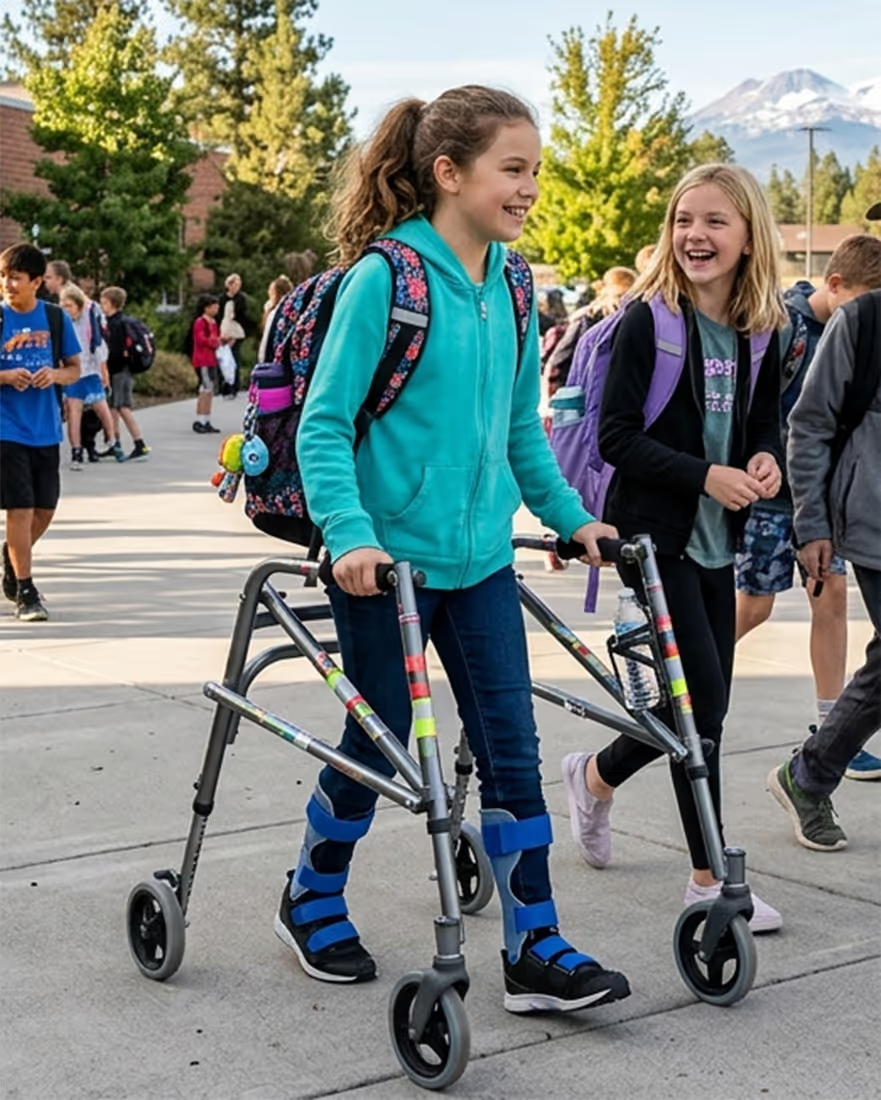
A student with a disability
Uses a mobility device every day; navigating stares and questions while learning what it means to be different

An injured athlete in recovery
Needs support to recover; but hides it and pushes through, risking further injury to avoid standing out or falling behind

An aging veteran needing support
Needs a mobility device to move safely; but resists it, not wanting it to redefine how they’re seen
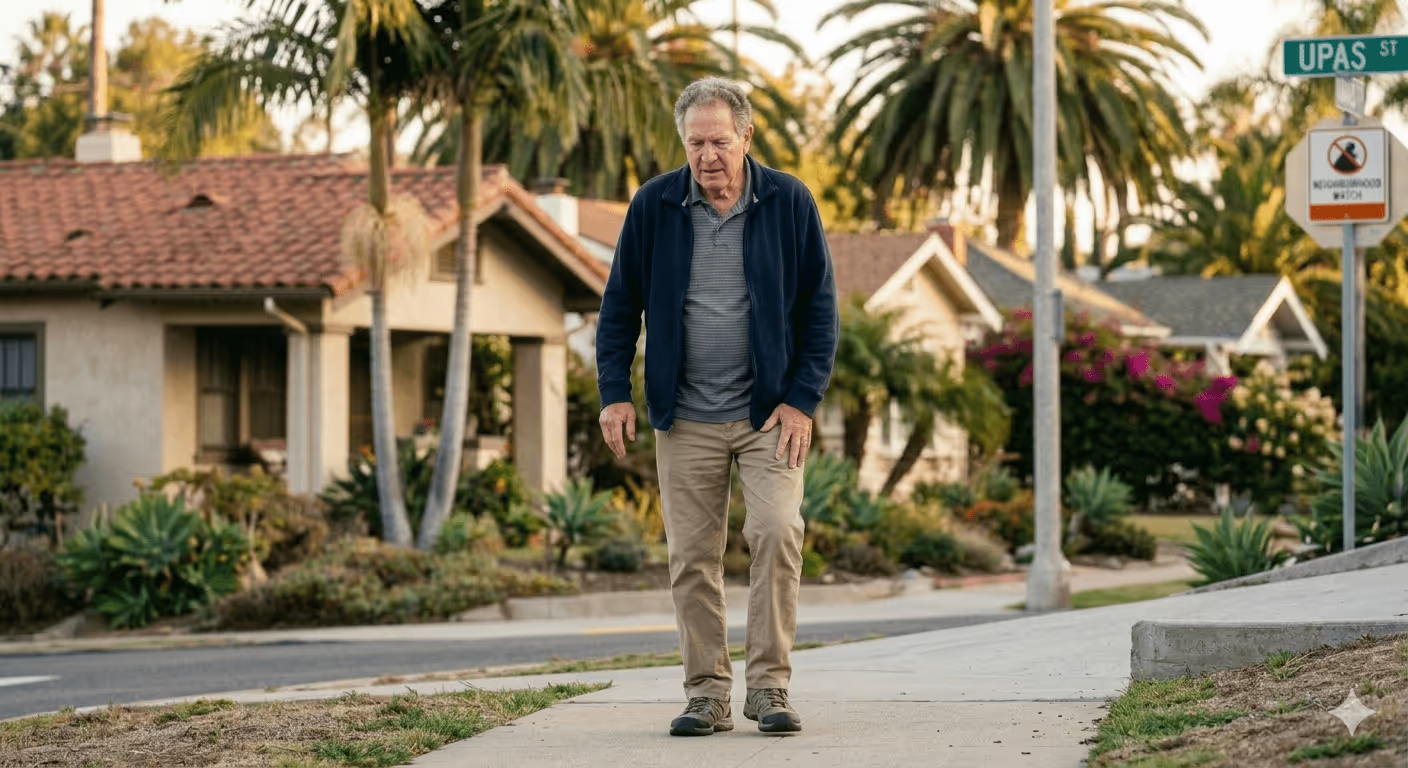
A shared experience
People like Christopher don't want to use a mobility device
Christopher knows something is off. His balance isn’t what it used to be, and everyday movement feels less stable. A mobility device would help, but he hesitates. He doesn’t want the attention, the assumptions, or what it might say about him. So he adapts. He moves more carefully, avoids certain situations, and tells himself he’s fine; even when he knows he’s not.
Christopher represents millions of people navigating similar decisions every day.
The story behind us
Discover the experiences, observations, and purpose that inspired a movement focused on mobility, independence, and belonging.